Planning a trip to Sapa? This complete weather guide covers monthly temperatures, rainfall patterns, rice terrace seasons, and expert tips to help you choose the perfect time for trekking, homestays, and Fansipan Mountain.
Why Visit Sapa?
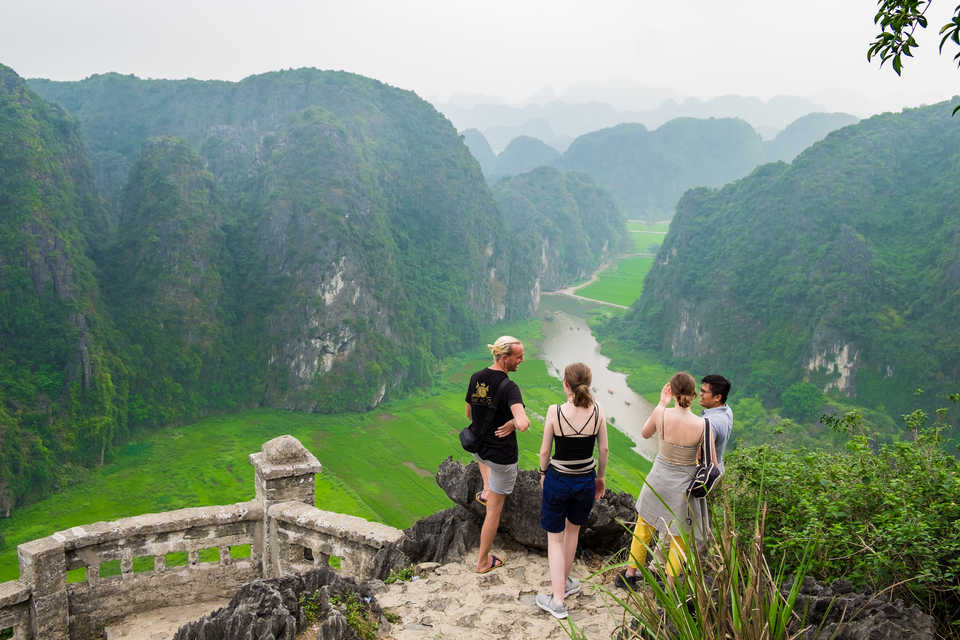
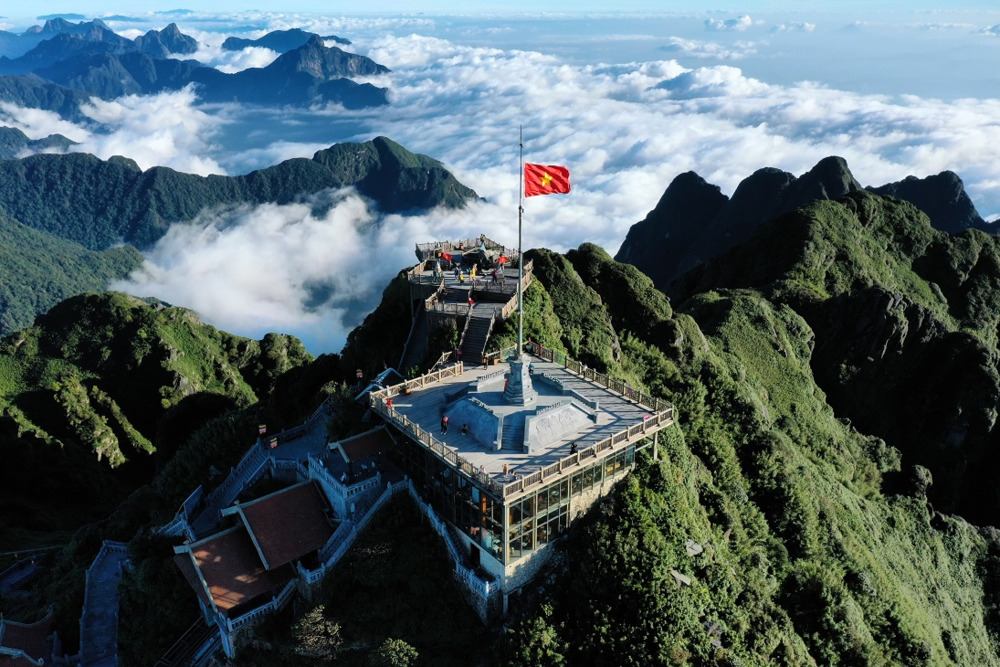
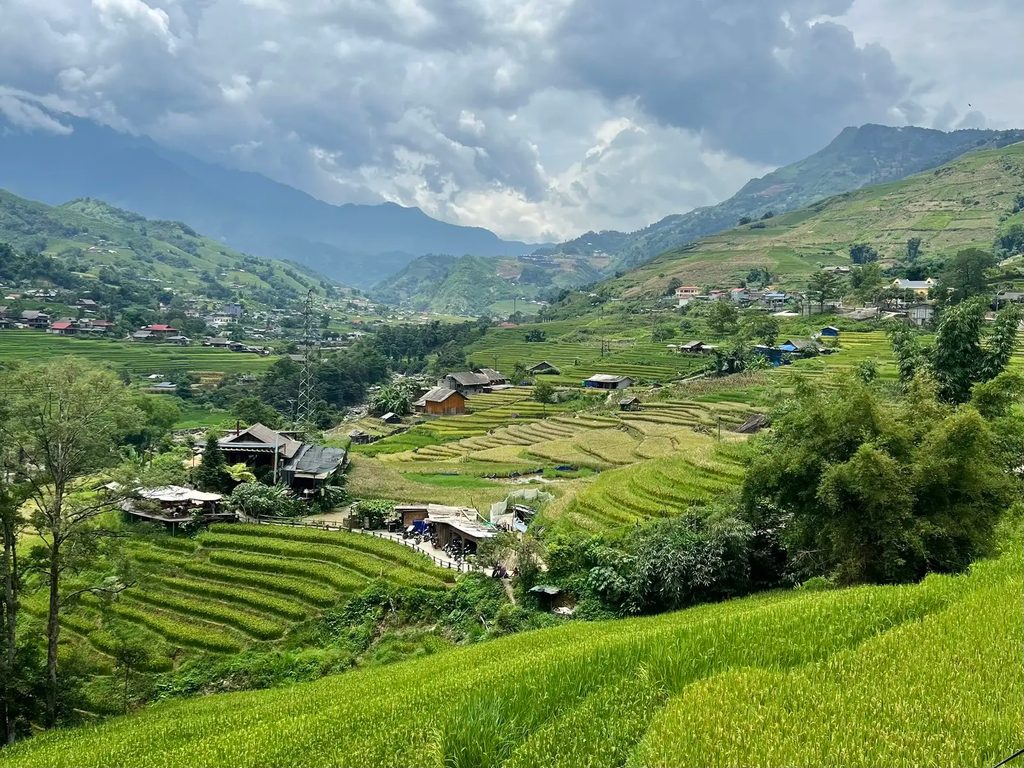
Sapa is Vietnam’s premier mountain destination, famous for its dramatic rice terraces, ethnic minority cultures (H’mong, Dao, Giay), and Fansipan — the “Roof of Indochina” at 3,143 meters. Located 380 km northwest of Hanoi, this highland town offers cool temperatures year-round, making it a perfect escape from Vietnam’s tropical heat.blog.vexere+1
Quick facts:
Elevation: 1,500-1,650 meters above sea level
Average temperature: 15-25°C (59-77°F)
Best for: Trekking, homestays, cultural immersion, photography
Getting there: 5-6 hours from Hanoi by bus or train + shuttle
🌤️ Sapa Weather Overview by Season
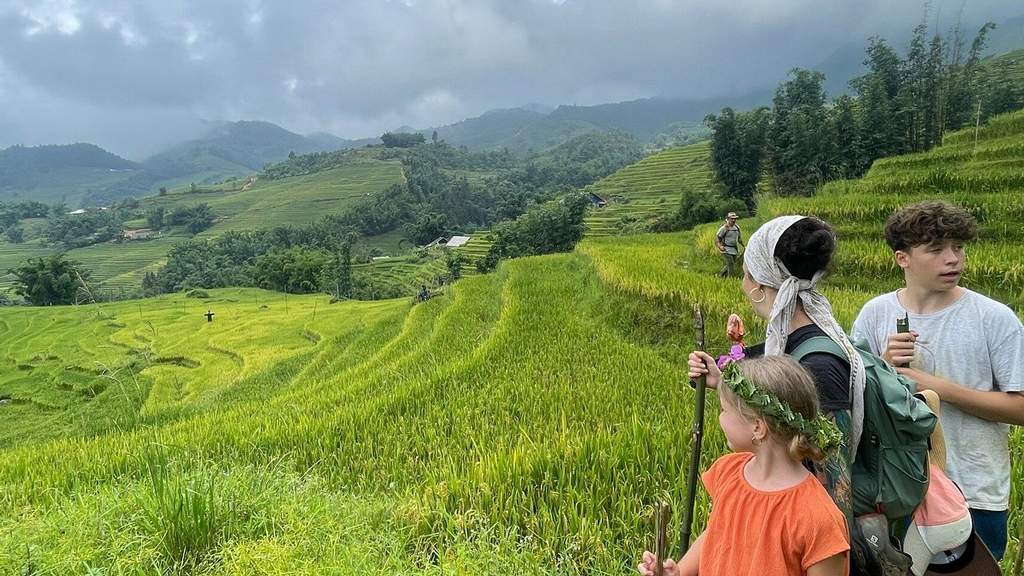
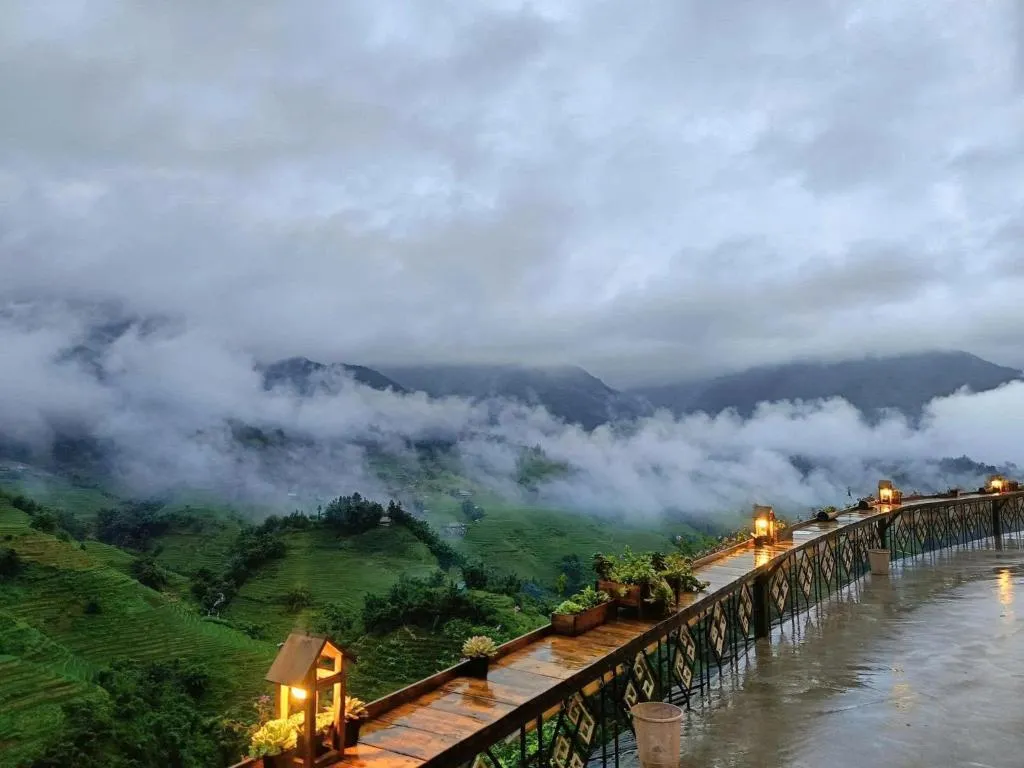
Sapa experiences four distinct seasons, each offering unique landscapes and experiences. Understanding the weather patterns is crucial for planning your ideal trip.visit-sapa+1
Spring (March – May)
Temperature: 15-22°C (59-72°F)
Rainfall: Moderate (55-130 mm/month)
Highlights: Peach and plum blossoms, “mirror” rice terraces (flooded for planting), dry trekking paths
Best for: Trekking, photography, avoiding crowdsthesjourney+1
Summer (June – August)
Temperature: 20-28°C (68-82°F)
Rainfall: Very high (220-465 mm/month, peak in July)
Highlights: Emerald green rice fields, swollen waterfalls, lush landscapes
Best for: Landscape photography, experiencing rainy season atmosphere
Caution: Heavy rain, slippery trails, possible landslides on mountain roadsvisit-sapa+1
Data compiled from Vietnam Meteorological Station and traveler reports 2025-2026 thesjourney+2
🏆 Best Time to Visit Sapa
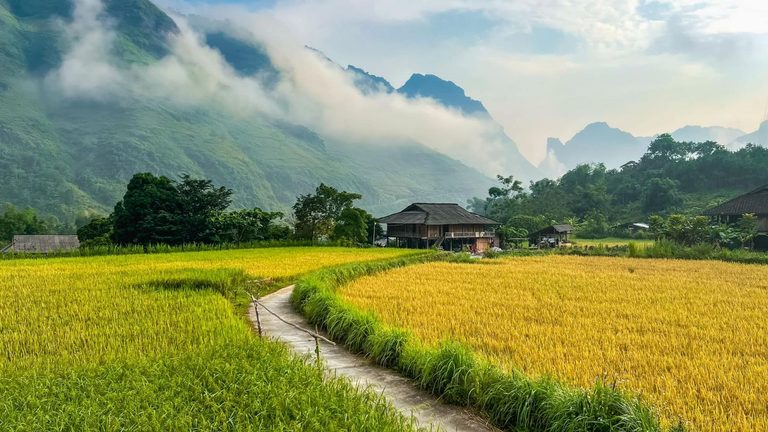
🥇 #1 Best Time: September – October (Golden Rice Harvest)
Why it’s the best:
Golden rice terraces at their peak (September 10-25 for harvest)
Clear skies and comfortable temperatures (15-22°C / 59-72°F)
Low rainfall compared to summer months
Ideal trekking conditions — dry paths, good visibility
Best photography light — golden hour over terracesblog.vexere+2
What to expect:
Crowds: Highest of the year (especially late September)
Prices: 20-30% higher than off-season
Availability: Book homestays and tours 2-3 months in advancelasiestahotels+1
Pro tip: If you want golden rice, arrive between September 10-25. Most travelers arrive in October expecting golden fields and find bare, harvested terraces.amietravel
🥈 #2 Best Time: March – May (Spring Blossoms & Green Terraces)
Why it’s great:
Peach and plum blossoms cover the hillsides (March-early April)
“Mirror” rice terraces flooded for planting (late April-May)
Pleasant temperatures (15-22°C / 59-72°F)
Fewer crowds than autumn
Dry trekking paths before monsoon seasonthesjourney+2
What to expect:
Crowds: Moderate (less than September-October)
Prices: Standard rates
Weather: Occasional showers in May, but generally dryblog.vexere+1
Best for: Travelers who prefer green landscapes over golden, want to avoid peak crowds, and enjoy spring flowers.blog.vexere+1
🥉 #3 Best Time: October – November (Clear Skies & Cool Weather)
Why it’s excellent:
Most reliable weather of the year
Clear skies and excellent visibility
Cool temperatures (14-20°C / 57-68°F) — perfect for trekking
Low rainfall (20-40 mm/month)
Fansipan cable car has best chance of clear viewsbesttimestovisit+2
What to expect:
Rice terraces: Already harvested (golden period ends late September)
Crowds: Moderate (drops significantly after mid-October)
Prices: Standard to slightly lower than peak seasonblog.vexere+1
Plan indoor activities (local markets, cultural centers)
Check road conditions before travelingflysapa+1
🥾 Sapa Trekking Guide: Best Routes by Season
Best Trekking Routes for Beginners
Route
Distance
Duration
Difficulty
Best Season
Highlights
Cat Cat Village
3 km
1-2 hours
Easy
Year-round
Closest to town, Black H’mong culture, waterfall daytripsvietnam+1
Lao Chai → Ta Van
8-10 km
4-5 hours
Easy-Moderate
Sept-Nov, Mar-May
Muong Hoa Valley, rice terraces, homestays available daytripsvietnam+1
Y Linh Ho → Lao Chai → Ta Van
12 km
5-6 hours
Moderate
Sept-Nov, Mar-May
Scenic valley, Giay & H’mong villages, river views daytripsvietnam+1
Cat Cat → Sin Chai → Ta Phin
12 km
6 hours
Moderate
Sept-Nov, Mar-May
Combines two villages, less crowded, Red Dao culture daytripsvietnam+1
Ma Tra → Ta Phin
10 km
4-5 hours
Moderate
Sept-Nov, Mar-May
Traditional villages, herbal baths, embroidery workshops itimaker+1
Source: Local trekking operators and traveler reviews 2025-2026 daytripsvietnam+2
Multi-Day Trekking Itineraries
2-Day Homestay Trek (Most Popular)
Day 1: Sapa → Y Linh Ho → Lao Chai → Ta Van (overnight homestay) Day 2: Ta Van → Giang Ta Chai → Hau Thao → Sapa
Total distance: 15-18 km
Difficulty: Moderate
Best time: September-November, March-May
Cost: 1,000,000-1,500,000 VND per person per day (includes guide, meals, accommodation)originvietnam+2
Villages visited:
Lao Chai: Black H’mong community, traditional indigo dyeing
Ta Van: Giay ethnic group, homestay experience
Giang Ta Chai: Red Dao village, herbal baths
Hau Thao: Remote H’mong settlement, terraced fieldsitimaker+2
3-Day Deep Culture Trek
Day 1: Sapa → Ma Tra → Ta Phin (overnight Red Dao homestay) Day 2: Ta Phin → Sin Chai → Ban Ho (overnight H’mong homestay) Day 3: Ban Ho → Nam Toong → Thanh Phu → Sapa
Total distance: 25-30 km
Difficulty: Moderate-Challenging
Best time: September-October, March-April
Highlights: Red Dao herbal baths, traditional embroidery, off-the-beaten-path villagesoriginvietnam+1
🚠 Fansipan Mountain: Cable Car & Trekking Guide
At 3,143 meters, Fansipan is the highest mountain in Vietnam and Indochina. In 2026, you can reach the summit via cable car (15 minutes) or multi-day trek (2-3 days).flysapa+2
Fansipan Cable Car (Recommended for Most Visitors)
2026 Ticket Prices:
Cable car (round trip): 850,000 VND (~$35)
Funicular railway (optional): 150,000 VND (~$6)
Total cost: ~1,000,000 VND (~$41) per personflysapa+2
Staying in a local homestay is one of the best ways to experience Sapa’s rich ethnic culture. Most homestays are in Ta Van, Lao Chai, Ta Phin, and Sin Chai villages, offering authentic meals, cultural activities, and warm hospitality.itimaker+2
Top Villages for Homestays
Village
Ethnic Group
Distance from Sapa
Highlights
Best For
Ta Van
Giay, Black H’mong
8 km
Scenic valley, rice terraces, multiple homestay options