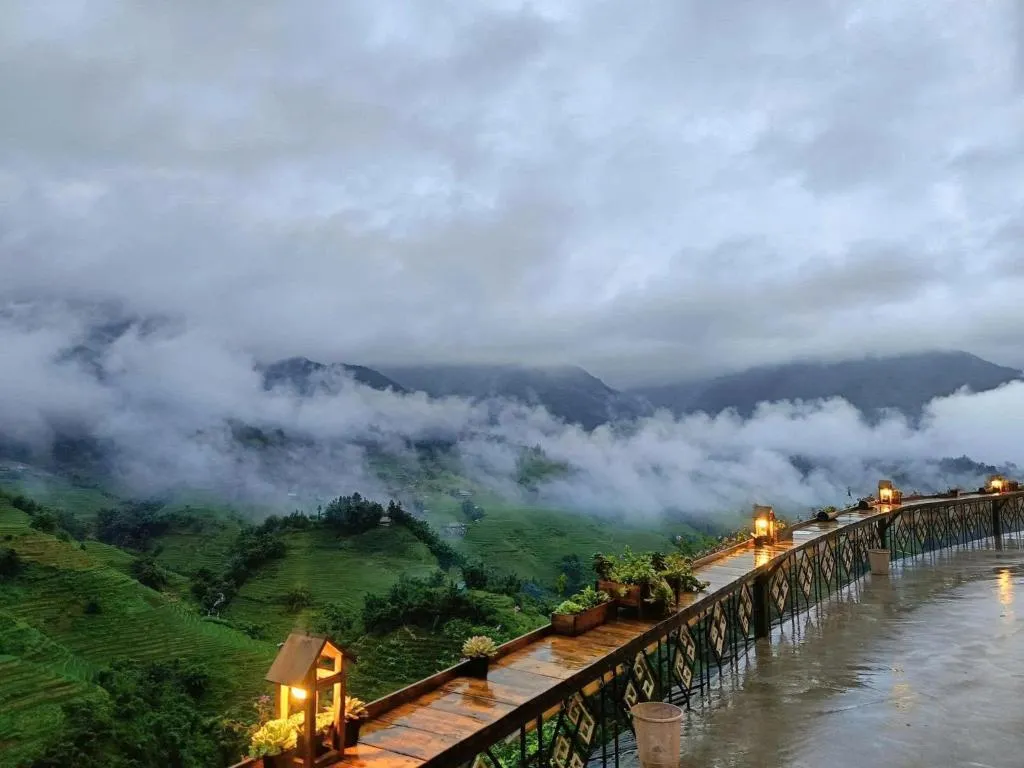
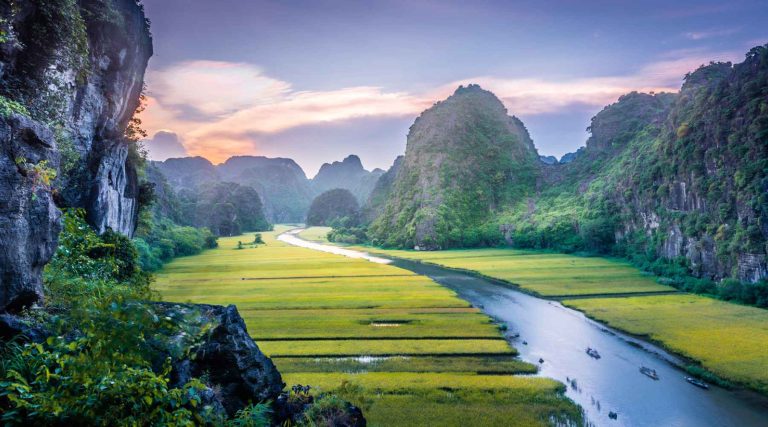
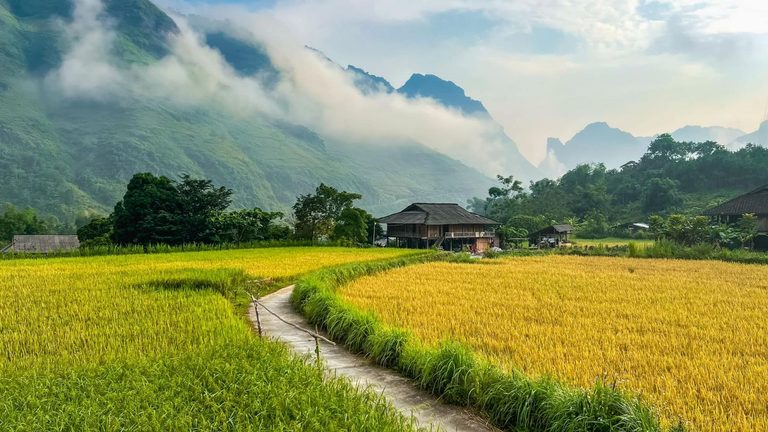
Planning a trip to Sapa? This complete weather guide covers monthly temperatures, rainfall patterns, rice terrace seasons, and expert tips to help you choose the perfect time for trekking, homestays, and Fansipan Mountain.

Why Visit Sapa?

Sapa is Vietnam’s premier mountain destination, famous for its dramatic rice terraces, ethnic minority cultures (H’mong, Dao, Giay), and Fansipan — the “Roof of Indochina” at 3,143 meters. Located 380 km northwest of Hanoi, this highland town offers cool temperatures year-round, making it a perfect escape from Vietnam’s tropical heat.blog.vexere+1

Quick facts:

  • Elevation: 1,500-1,650 meters above sea level
  • Average temperature: 15-25°C (59-77°F)
  • Best for: Trekking, homestays, cultural immersion, photography
  • Getting there: 5-6 hours from Hanoi by bus or train + shuttle

Sapa Weather Guide

🌤️ Sapa Weather Overview by Season

Sapa experiences four distinct seasons, each offering unique landscapes and experiences. Understanding the weather patterns is crucial for planning your ideal trip.visit-sapa+1

Spring (March – May)

  • Temperature: 15-22°C (59-72°F)
  • Rainfall: Moderate (55-130 mm/month)
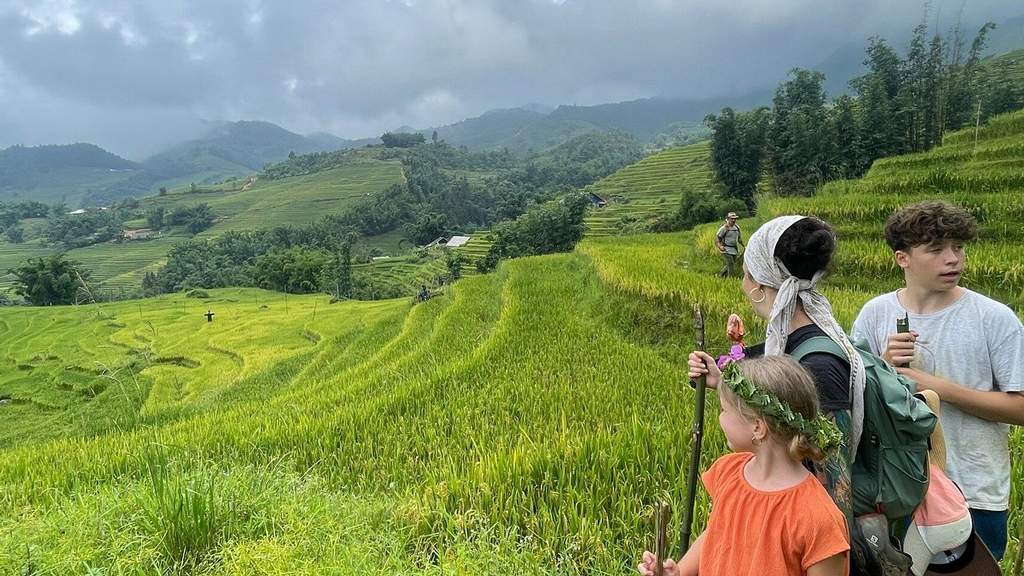
  • Highlights: Peach and plum blossoms, “mirror” rice terraces (flooded for planting), dry trekking paths
  • Best for: Trekking, photography, avoiding crowdsthesjourney+1

Summer (June – August)

  • Temperature: 20-28°C (68-82°F)
  • Rainfall: Very high (220-465 mm/month, peak in July)
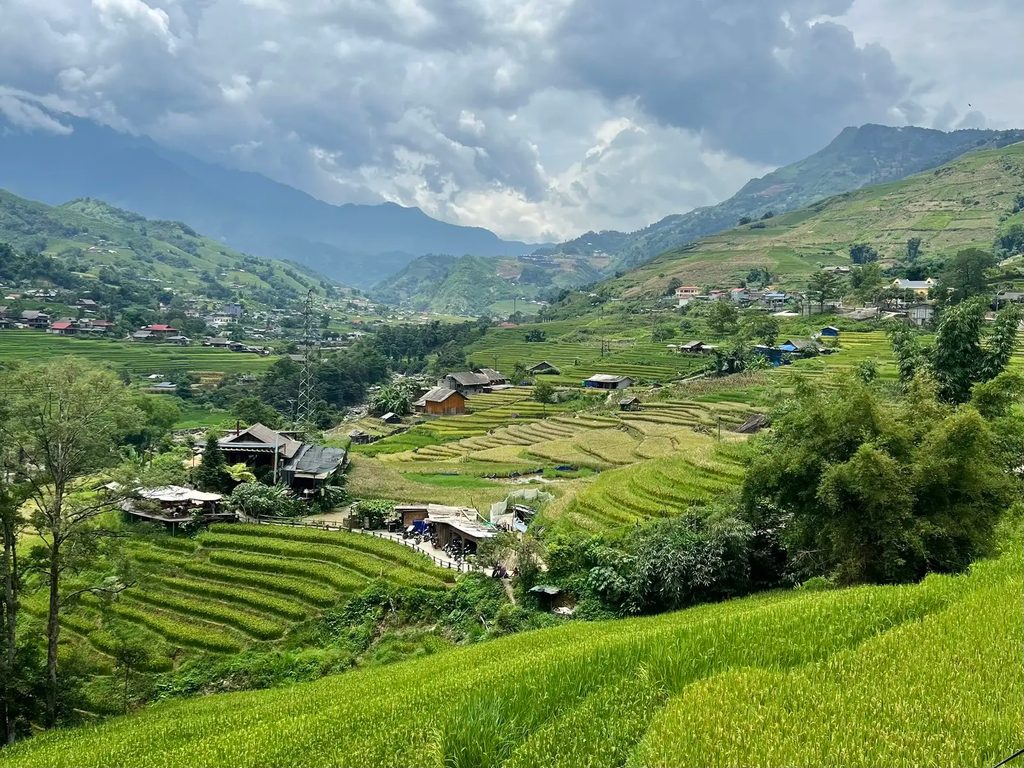
  • Highlights: Emerald green rice fields, swollen waterfalls, lush landscapes
  • Best for: Landscape photography, experiencing rainy season atmosphere
  • Caution: Heavy rain, slippery trails, possible landslides on mountain roadsvisit-sapa+1

Autumn (September – November)

  • Temperature: 14-21°C (57-70°F)
  • Rainfall: Decreasing (180-40 mm/month)
  • Highlights: Golden rice harvest (peak: September 10-25), clear skies, ideal trekking conditions
  • Best for: Best overall time to visit, rice terrace photography, comfortable trekkingblog.vexere+2

Winter (December – February)

  • Temperature: 5-12°C (41-54°F), can drop below 0°C at night
  • Rainfall: Low (10-45 mm/month)
  • Highlights: Dense mist, occasional frost or snow (January), peach blossoms (late February)
  • Best for: “Snow hunting” (rare), misty atmosphere, Lunar New Year (Tet) celebrationsthesjourney+2

Sapa Weather Guide 2026

📅 Sapa Weather by Month: Complete 2026 Guide

MonthMin Temp (°C)Max Temp (°C)Rainfall (mm)ConditionsBest For
January3-512-1510-40Cold, dense mist, possible snowSnow hunting, misty landscapes thesjourney+1
February5-814-1725-45Cold, cherry blossoms, morning mistPeach blossoms, Tet festival thesjourney+1
March8-1117-2050-75Mild, plum & peach trees in bloomTrekking, spring flowers visit-sapa+1
April12-1420-2575-100Pleasant, lush green terracesClear skies, photography thesjourney+1
May16-1822-26130-180Warm, humid, start of rainsWatered terraces (“mirror season”) thesjourney+1
June17-1923-26220-345Rainy season, flooded terracesLush green fields, waterfalls visit-sapa+1
July19-2024-26310-465Wettest month, swollen waterfallsIntense green landscapes (experienced trekkers only) visit-sapa+1
August19-2024-25240-450Still very wet, transition periodGreen terraces, fewer crowds visit-sapa+1
September15-1722-24135-315Golden harvest (peak: Sept 10-25)Best time for rice terraces, trekking amietravel+2
October14-1620-2240-215Dry, cool, clear skiesBest overall month, trekking, Fansipan blog.vexere+2
November10-1418-2020-40Cool, clear, low humidityTrekking, photography, avoiding crowds vietnamluxuryexpress+1
December5-1015-1910-30Cold, foggy, possible frostMisty atmosphere, winter magic visit-sapa+1

Data compiled from Vietnam Meteorological Station and traveler reports 2025-2026 thesjourney+2


🏆 Best Time to Visit Sapa

🥇 #1 Best Time: September – October (Golden Rice Harvest)

Why it’s the best:

  • Golden rice terraces at their peak (September 10-25 for harvest)
  • Clear skies and comfortable temperatures (15-22°C / 59-72°F)
  • Low rainfall compared to summer months
  • Ideal trekking conditions — dry paths, good visibility
  • Best photography light — golden hour over terracesblog.vexere+2

What to expect:

  • Crowds: Highest of the year (especially late September)
  • Prices: 20-30% higher than off-season
  • Availability: Book homestays and tours 2-3 months in advancelasiestahotels+1

Pro tip: If you want golden rice, arrive between September 10-25. Most travelers arrive in October expecting golden fields and find bare, harvested terraces.amietravel


🥈 #2 Best Time: March – May (Spring Blossoms & Green Terraces)

Why it’s great:

  • Peach and plum blossoms cover the hillsides (March-early April)
  • “Mirror” rice terraces flooded for planting (late April-May)
  • Pleasant temperatures (15-22°C / 59-72°F)
  • Fewer crowds than autumn
  • Dry trekking paths before monsoon seasonthesjourney+2

What to expect:

  • Crowds: Moderate (less than September-October)
  • Prices: Standard rates
  • Weather: Occasional showers in May, but generally dryblog.vexere+1

Best for: Travelers who prefer green landscapes over golden, want to avoid peak crowds, and enjoy spring flowers.blog.vexere+1


🥉 #3 Best Time: October – November (Clear Skies & Cool Weather)

Why it’s excellent:

  • Most reliable weather of the year
  • Clear skies and excellent visibility
  • Cool temperatures (14-20°C / 57-68°F) — perfect for trekking
  • Low rainfall (20-40 mm/month)
  • Fansipan cable car has best chance of clear viewsbesttimestovisit+2

What to expect:

  • Rice terraces: Already harvested (golden period ends late September)
  • Crowds: Moderate (drops significantly after mid-October)
  • Prices: Standard to slightly lower than peak seasonblog.vexere+1

Best for: Trekking enthusiasts, Fansipan summit attempts, photographers seeking clear mountain views.flysapa+2


⚠️ When NOT to Visit Sapa

June – August (Rainy Season)

Challenges:

  • Heavy rainfall (220-465 mm/month, peak in July)
  • Slippery, muddy trails — dangerous for trekking
  • Limited visibility — constant fog and clouds
  • Landslide risk on mountain roads
  • Fewer sunshine hours (3-4 hours/day vs. 6-7 in autumn)visit-sapa+2

Who should consider it:

  • Experienced trekkers prepared for wet conditions
  • Photographers seeking dramatic, moody landscapes
  • Travelers who don’t mind rain and want to avoid crowds
  • Budget travelers (lower prices, more availability)lasiestahotels+1

If you must visit in rainy season:

  • Pack waterproof gear (jacket, pants, backpack cover)
  • Wear sturdy, waterproof hiking boots
  • Bring quick-dry clothing and extra socks
  • Plan indoor activities (local markets, cultural centers)
  • Check road conditions before travelingflysapa+1

🥾 Sapa Trekking Guide: Best Routes by Season

Best Trekking Routes for Beginners

RouteDistanceDurationDifficultyBest SeasonHighlights
Cat Cat Village3 km1-2 hoursEasyYear-roundClosest to town, Black H’mong culture, waterfall daytripsvietnam+1
Lao Chai → Ta Van8-10 km4-5 hoursEasy-ModerateSept-Nov, Mar-MayMuong Hoa Valley, rice terraces, homestays available daytripsvietnam+1
Y Linh Ho → Lao Chai → Ta Van12 km5-6 hoursModerateSept-Nov, Mar-MayScenic valley, Giay & H’mong villages, river views daytripsvietnam+1
Cat Cat → Sin Chai → Ta Phin12 km6 hoursModerateSept-Nov, Mar-MayCombines two villages, less crowded, Red Dao culture daytripsvietnam+1
Ma Tra → Ta Phin10 km4-5 hoursModerateSept-Nov, Mar-MayTraditional villages, herbal baths, embroidery workshops itimaker+1

Source: Local trekking operators and traveler reviews 2025-2026 daytripsvietnam+2


Multi-Day Trekking Itineraries

Day 1: Sapa → Y Linh Ho → Lao Chai → Ta Van (overnight homestay)
Day 2: Ta Van → Giang Ta Chai → Hau Thao → Sapa

  • Total distance: 15-18 km
  • Difficulty: Moderate
  • Best time: September-November, March-May
  • Cost: 1,000,000-1,500,000 VND per person per day (includes guide, meals, accommodation)originvietnam+2

Villages visited:

  • Lao Chai: Black H’mong community, traditional indigo dyeing
  • Ta Van: Giay ethnic group, homestay experience
  • Giang Ta Chai: Red Dao village, herbal baths
  • Hau Thao: Remote H’mong settlement, terraced fieldsitimaker+2

3-Day Deep Culture Trek

Day 1: Sapa → Ma Tra → Ta Phin (overnight Red Dao homestay)
Day 2: Ta Phin → Sin Chai → Ban Ho (overnight H’mong homestay)
Day 3: Ban Ho → Nam Toong → Thanh Phu → Sapa

  • Total distance: 25-30 km
  • Difficulty: Moderate-Challenging
  • Best time: September-October, March-April
  • Highlights: Red Dao herbal baths, traditional embroidery, off-the-beaten-path villagesoriginvietnam+1

🚠 Fansipan Mountain: Cable Car & Trekking Guide

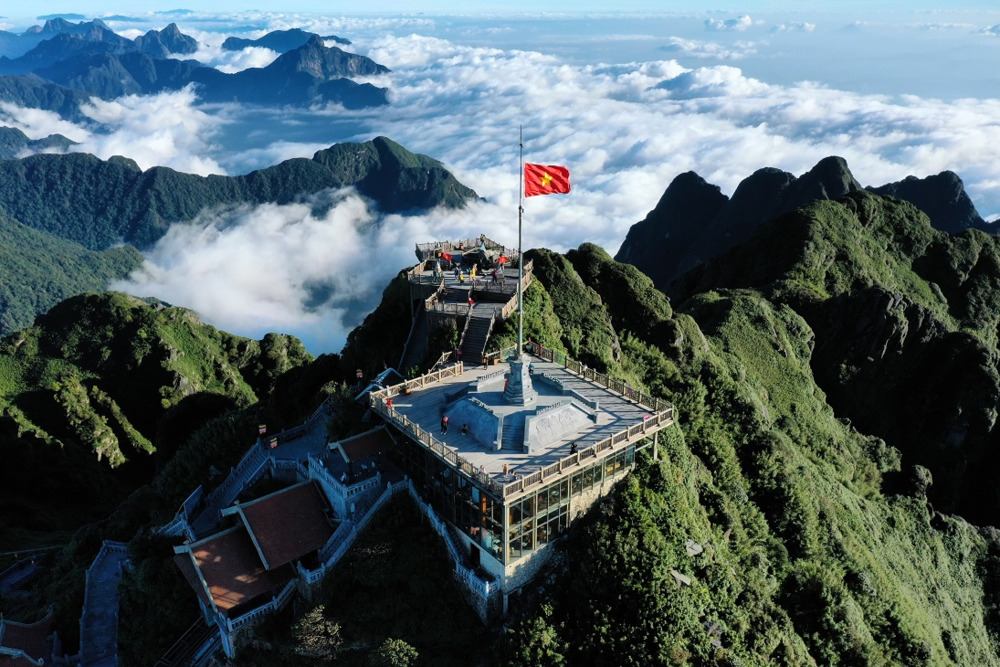
At 3,143 meters, Fansipan is the highest mountain in Vietnam and Indochina. In 2026, you can reach the summit via cable car (15 minutes) or multi-day trek (2-3 days).flysapa+2

2026 Ticket Prices:

  • Cable car (round trip): 850,000 VND (~$35)
  • Funicular railway (optional): 150,000 VND (~$6)
  • Total cost: ~1,000,000 VND (~$41) per personflysapa+2

Best Time to Visit Fansipan:

SeasonMonthsVisibilityTemperatureRecommendation
BestSeptember – NovemberExcellent (clear skies)10-20°CHighest chance of clear views junglebosstours+1
Very GoodMarch – MayGood (some clouds)12-22°CRhododendron blooms, mild weather junglebosstours+1
FairDecember – FebruaryVariable (fog common)3-15°CCold, possible frost, misty summit flysapa+1
PoorJune – AugustLimited (constant clouds)15-20°CHeavy rain, fog, slippery trails junglebosstours+1

Pro Tips for Fansipan Cable Car:

  1. Go early morning (7:00-9:30 AM) — clearest skies before clouds buildflysapa+2
  2. Check weather forecast 2-3 days ahead — look for low temps (3-20°C), high humidity, weak sunflysapa+1
  3. Avoid late afternoon in winter — colder temperatures and increased fogasiatripblog+1
  4. Buy tickets online or arrive before 2:00 PM (counter closes at 2:00 PM for last cable car)hoianit
  5. Dress in layers — summit can be 10-15°C cooler than Sapa townflysapa+1

🏡 Sapa Homestay Experience: Ethnic Minority Villages

Staying in a local homestay is one of the best ways to experience Sapa’s rich ethnic culture. Most homestays are in Ta Van, Lao Chai, Ta Phin, and Sin Chai villages, offering authentic meals, cultural activities, and warm hospitality.itimaker+2

Top Villages for Homestays

VillageEthnic GroupDistance from SapaHighlightsBest For
Ta VanGiay, Black H’mong8 kmScenic valley, rice terraces, multiple homestay optionsFirst-time homestay visitors, easy trekking itimaker+1
Lao ChaiBlack H’mong6 kmTraditional indigo dyeing, close to Ta VanShort treks, cultural workshops daytripsvietnam+1
Ta PhinRed Dao12 kmHerbal baths, embroidery, traditional craftsCultural immersion, herbal bath experience itimaker+1
Sin ChaiBlack H’mong5 km (near Cat Cat)Off-the-beaten-path, less touristyAuthentic experience, avoiding crowds truongsatour+1
Ban HoH’mong15 kmRemote village, traditional lifestyleMulti-day treks, deep cultural immersion originvietnam+1

What to Expect in a Sapa Homestay

Accommodation:

  • Basic but clean: Mattress, pillow, blanket, mosquito net
  • Shared or private rooms: $10-20 per night
  • Communal bathrooms: Cold water (some have hot water showers)
  • Traditional architecture: Wooden stilt houses, bamboo floorsitimaker+1

Meals:

  • Breakfast: Pho, sticky rice, eggs, coffee (~$3-5)
  • Dinner: Grilled chicken/fish, vegetables, rice, local wine (~$8-12)
  • Home-cooked: Family-style dining with host family
  • Vegetarian options: Available upon requestitimaker+2

Cultural Activities:

  • Rice farming: Participate in planting or harvesting (seasonal)
  • Traditional crafts: Indigo dyeing, embroidery, weaving
  • Cooking classes: Learn to prepare local dishes
  • Evening gatherings: Corn wine, folk songs, storytellingitimaker+1

Cost:

  • Homestay + meals: 500,000-800,000 VND per person per day (~$20-33)
  • Multi-day trekking packages: 1,000,000-1,500,000 VND per day (includes guide, meals, accommodation)itimaker+1

🎒 What to Pack for Sapa: Seasonal Packing Guide

Spring (March – May)

  • Clothing: Light layers, long-sleeve shirts, light jacket for evenings
  • Footwear: Comfortable walking shoes or hiking boots
  • Accessories: Sun hat, sunglasses, light rain jacket
  • Temperature range: 15-25°C (59-77°F)thesjourney+1

Summer (June – August)

  • Clothing: Quick-dry fabrics, waterproof jacket, rain pants
  • Footwear: Waterproof hiking boots, extra socks
  • Accessories: Umbrella, waterproof backpack cover, insect repellent
  • Temperature range: 20-28°C (68-82°F), high humidityflysapa+1

Autumn (September – November)

  • Clothing: Light to medium layers, fleece or sweater for evenings
  • Footwear: Hiking boots or sturdy walking shoes
  • Accessories: Sun hat, light gloves (for early morning), camera
  • Temperature range: 14-22°C (57-72°F), cool nightsblog.vexere+1

Winter (December – February)

  • Clothing: Warm layers, thermal underwear, down jacket, wool hat
  • Footwear: Insulated hiking boots, warm socks
  • Accessories: Gloves, scarf, hand warmers, lip balm
  • Temperature range: 5-15°C (41-59°F), can drop below 0°C at nightvisit-sapa+1

Essential Items (Year-Round)

  • Comfortable hiking shoes (trails can be slippery)
  • Light rain jacket (weather changes quickly in mountains)
  • Sunscreen (UV is stronger at high altitude)
  • Insect repellent (especially in summer months)
  • Cash (ATMs limited in villages, homestays don’t accept cards)
  • Power bank (electricity can be unreliable in remote areas)
  • Basic first aid kit (bandages, pain relievers, motion sickness pills)
  • Reusable water bottle (stay hydrated, reduce plastic waste)lasiestahotels+1

💰 Sapa Travel Budget 2026

Daily Costs (Per Person)

CategoryBudgetMid-RangeComfort
Accommodation$10-15 (hostel/guesthouse)$25-40 (3-star hotel)$50-80 (4-5 star resort)
Food$5-10 (street food, local restaurants)$15-25 (mix of local & Western)$30-50 (upscale restaurants)
Transport$5-10 (local bus, motorbike rental)$15-25 (private car, Grab)$30-50 (private driver)
Activities$10-20 (trekking, village visits)$25-40 (guided tours, cable car)$50-80 (private tours, spa)
Total/Day$30-55$80-130$160-260

Based on 2025-2026 traveler data from Sapa tourism statistics blog.vexere+1


Sample 3-Day Sapa Budget (Mid-Range)

ExpenseCost (USD)
Hanoi → Sapa (sleeper bus, round trip)$40
Accommodation (2 nights, 3-star)$60
Food (3 days)$45
Fansipan cable car$41
2-day trekking tour with homestay$50
Local transport (taxis, motorbike)$20
Miscellaneous (souvenirs, tips)$20
Total$276 (~6,900,000 VND)

🚌 How to Get to Sapa from Hanoi

  • Duration: 5-6 hours
  • Cost: $15-25 per person (one way)
  • Departure: 7:00 AM, 10:00 PM (night bus)
  • Companies: Sapa Express, Fansipan Legend, Hung Thanhlasiestahotels+1
  • Pros: Affordable, direct to Sapa town, night bus saves accommodation cost
  • Cons: Can be cramped, motion sickness on winding roads

Option 2: Train + Shuttle Bus

  • Duration: 8 hours (train) + 1 hour (shuttle)
  • Cost: $30-50 per person (one way, depending on cabin class)
  • Departure: 9:00 PM (night train from Hanoi)
  • Arrival: Lao Cai station (5:00 AM), then 1-hour shuttle to Sapa
  • Pros: More comfortable than bus, scenic route, private cabins available
  • Cons: Longer total travel time, need to transfer at Lao Cailasiestahotels+1

Option 3: Private Car

  • Duration: 4.5-5 hours
  • Cost: $120-180 (one way, up to 4 passengers)
  • Departure: Flexible (pick up from Hanoi hotel)
  • Pros: Most comfortable, door-to-door service, flexible schedule
  • Cons: Most expensive option, need to book in advancelasiestahotels+1

Option 4: Motorbike (For Adventurous Travelers)

  • Duration: 7-8 hours (with stops)
  • Cost: $30-40 (motorbike rental + fuel)
  • Route: Hanoi → Hoa Binh → Son La → Dien Bien Phu → Sapa
  • Pros: Ultimate freedom, scenic mountain passes, adventure experience
  • Cons: Dangerous for inexperienced riders, weather-dependent, tiringlasiestahotels+1

Recommendation: For first-time visitors, sleeper bus (night departure) offers the best balance of cost, comfort, and convenience.lasiestahotels+1


🏨 Where to Stay in Sapa

Best Areas for First-Time Visitors

1. Sapa Town Center

  • Pros: Walking distance to restaurants, markets, cable car station
  • Cons: Can be noisy, less authentic atmosphere
  • Best for: First-time visitors, short stays, Fansipan cable car accesslasiestahotels+1

2. Near Sun Plaza / Stone Church

  • Pros: Central location, vibrant nightlife, shopping
  • Cons: Crowded, touristy
  • Best for: Young travelers, nightlife, conveniencelasiestahotels+1

3. Outskirts (Cat Cat, Ta Van area)

  • Pros: Quieter, scenic views, closer to trekking routes
  • Cons: Need transport to reach town center
  • Best for: Nature lovers, trekkers, longer staystruongsatour+1

Budget ($10-25/night):

  • Sapa Chill Hostel
  • The Sapa Hostel
  • Mountain View Hotel

Mid-Range ($30-60/night):

  • Sapa Horizon Hotel
  • Amazing Hotel Sapa
  • Eden Boutique Hotel & Spa

Luxury ($80-150/night):

  • Hotel de la Coupole Sapa – MGallery
  • Topas Ecolodge
  • Sapa Jade Hill Resort & Spalasiestahotels+1

📸 Sapa Photography Tips: Best Locations & Times

Best Photography Locations

  1. Muong Hoa Valley (Lao Chai → Ta Van route)
    • Best time: Golden hour (6:00-7:30 AM, 5:00-6:30 PM)
    • Highlights: Rice terraces, H’mong villages, river viewsdaytripsvietnam+1
  2. Cat Cat Village
    • Best time: Early morning (7:00-9:00 AM) to avoid crowds
    • Highlights: Waterfall, traditional houses, cultural scenesdaytripsvietnam+1
  3. O Quy Ho Pass
    • Best time: Sunrise or sunset
    • Highlights: Panoramic mountain views, “Heaven’s Gate” viewpointenjoyvietnamtravel+1
  4. Fansipan Summit
    • Best time: Early morning (7:00-9:30 AM)
    • Highlights: “Roof of Indochina,” sea of clouds, mountain rangesflysapa+2
  5. Ta Phin Village (Red Dao)
    • Best time: Mid-morning (9:00-11:00 AM)
    • Highlights: Traditional embroidery, herbal baths, cultural portraitsoriginvietnam+1

Photography Tips by Season

Golden Rice Season (September 10-25):

  • Best light: Golden hour (sunrise/sunset) for warm tones
  • Composition: Include local farmers for scale and cultural context
  • Lens: Wide-angle (16-35mm) for landscapes, telephoto (70-200mm) for detailsblog.vexere+1

Spring Blossoms (March-April):

  • Best light: Soft morning light for flower photography
  • Composition: Close-ups of peach/plum blossoms, wide shots of terraces
  • Lens: Macro (50-100mm) for flowers, wide-angle for landscapesthesjourney+1

Green Season (June-August):

  • Best light: Overcast days provide even lighting
  • Composition: Waterfalls, lush valleys, dramatic clouds
  • Lens: Wide-angle, polarizing filter to enhance greenslasiestahotels+1

Winter Mist (December-February):

  • Best light: Early morning for misty atmosphere
  • Composition: Silhouettes, layered mountains, moody scenes
  • Lens: Telephoto (70-200mm) to compress layers, wide-angle for atmospherevisit-sapa+1

✅ Quick Planning Checklist

  • Choose your travel dates based on preferred season (Sept-Oct for golden rice, Mar-May for spring blossoms)
  • Book accommodation 2-3 months in advance for peak season (September-October)
  • Reserve sleeper bus or train tickets from Hanoi (book online or via hotel)
  • Pack appropriate clothing for the season (see packing guide above)
  • Download offline maps (Google Maps or Maps.me) — signal can be weak in villages
  • Bring cash (ATMs limited in villages, homestays don’t accept cards)
  • Book Fansipan cable car tickets in advance (especially October-April)
  • Arrange trekking guide (recommended for multi-day treks, supports local economy)
  • Check weather forecast 2-3 days before departure
  • Pack motion sickness pills (winding mountain roads from Hanoi to Sapa)
  • Bring power bank (electricity can be unreliable in remote homestays)
  • Respect local customs (ask permission before photographing people, dress modestly in villages)

📌 More Vietnam Travel Guides

Leave a Reply

Your email address will not be published. Required fields are marked *